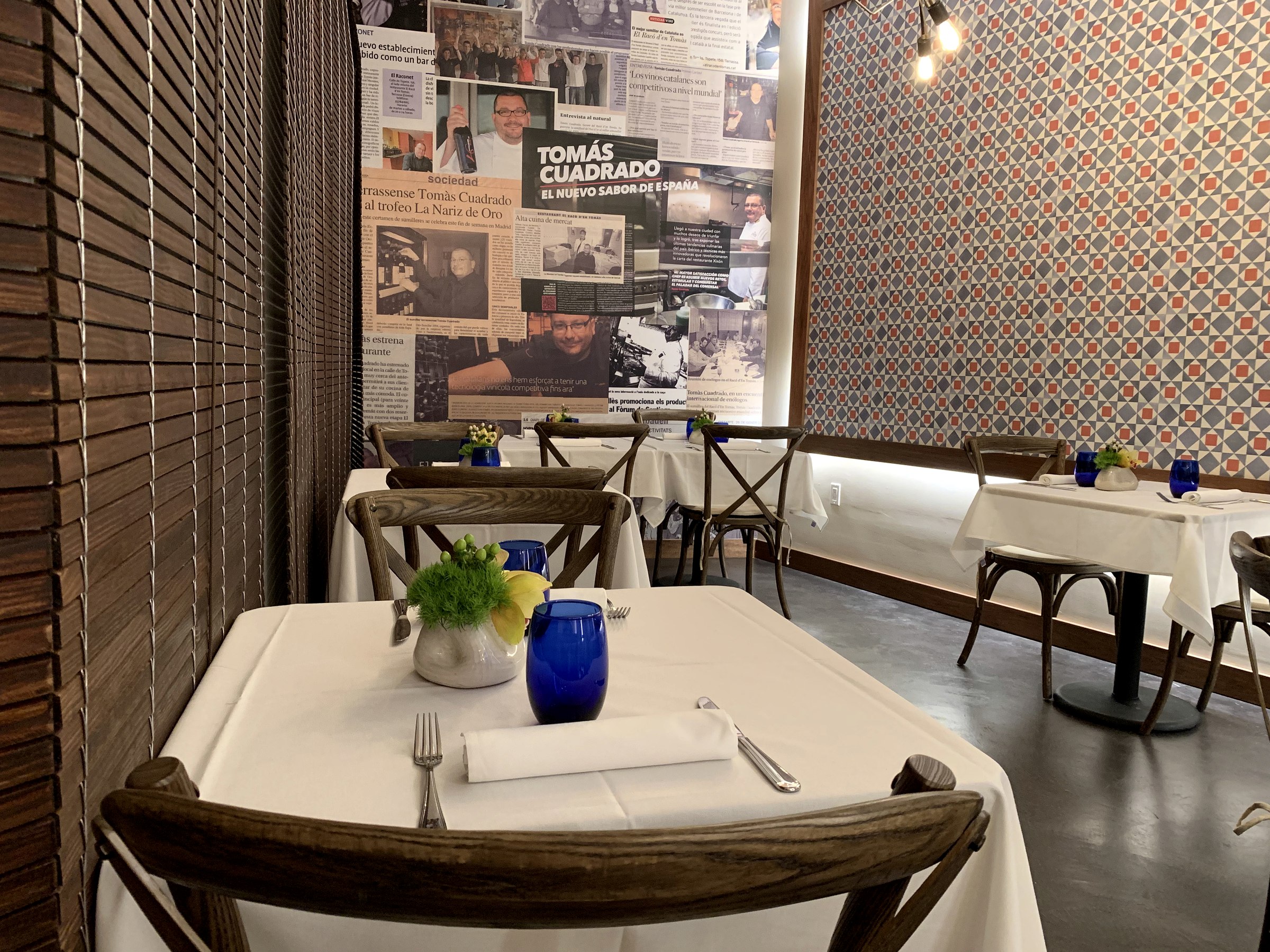
Built hospitality interior · Miami
Pairings
Restaurant.
A Spanish dining environment shaped by cultural memory, noble materiality and the timeless character of European hospitality.
The project
Tradition translated into atmosphere.
Pairings brings the warmth and ritual of Spanish dining into a contemporary Miami setting without reducing culture to decoration.
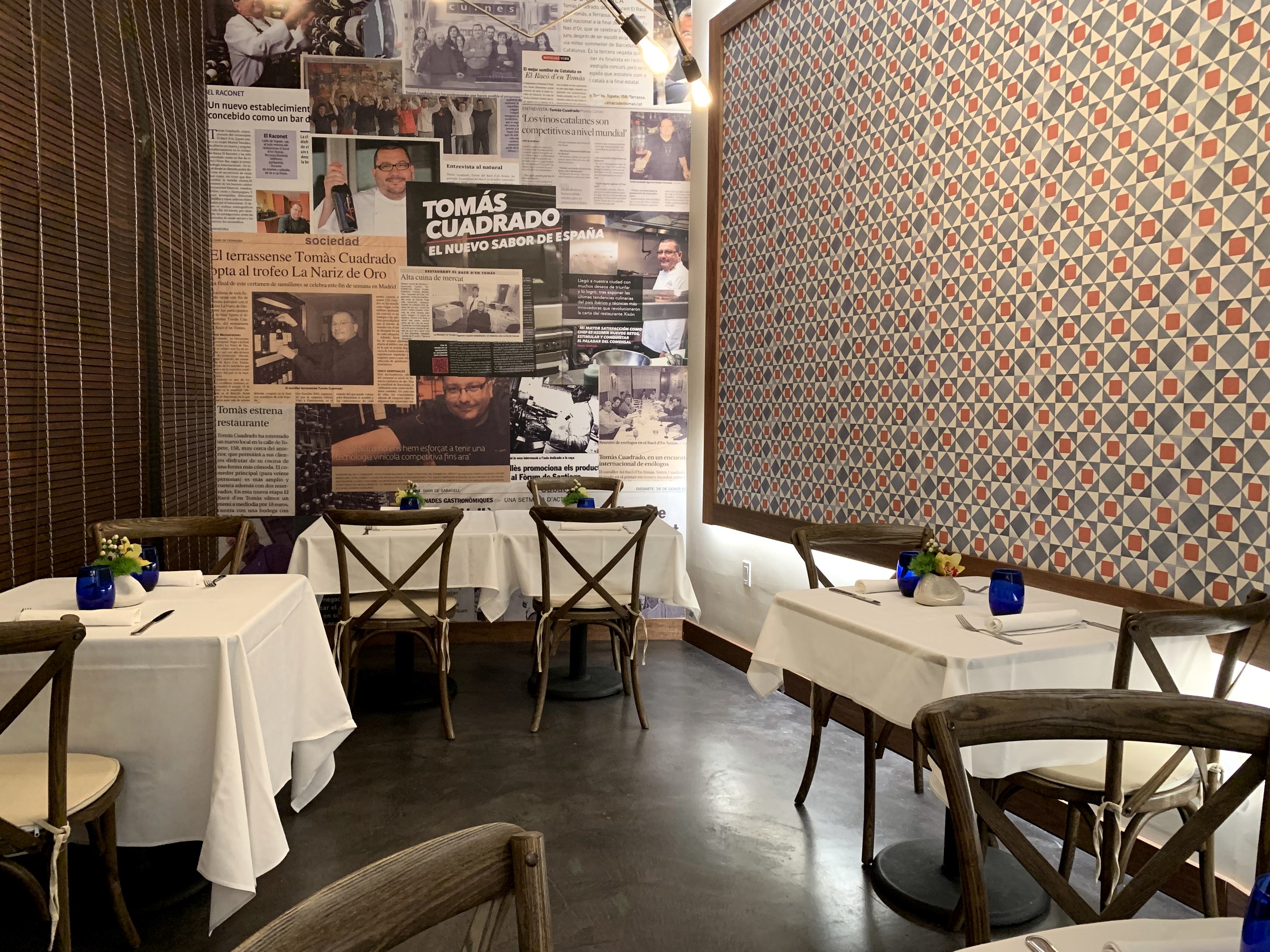
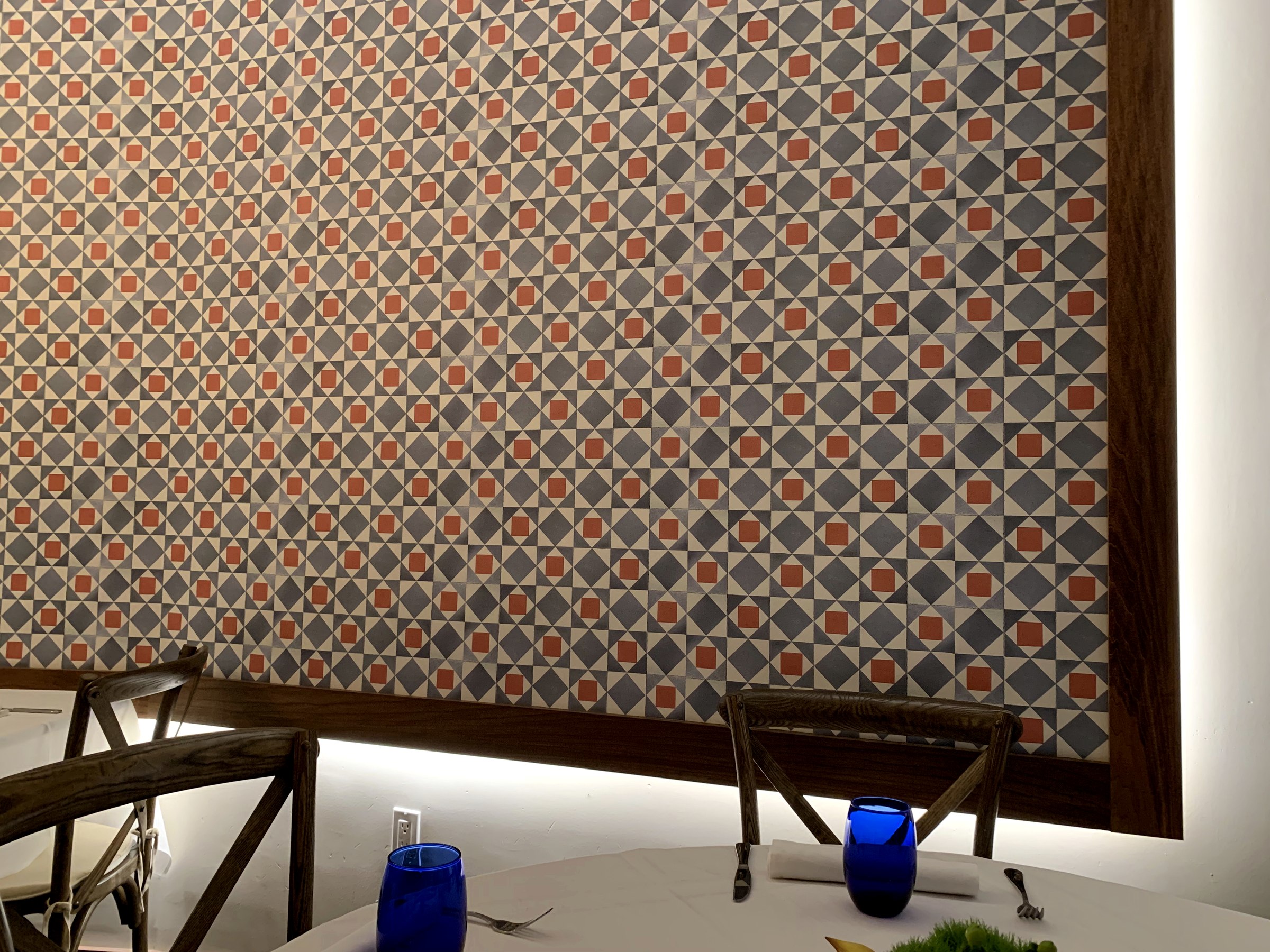
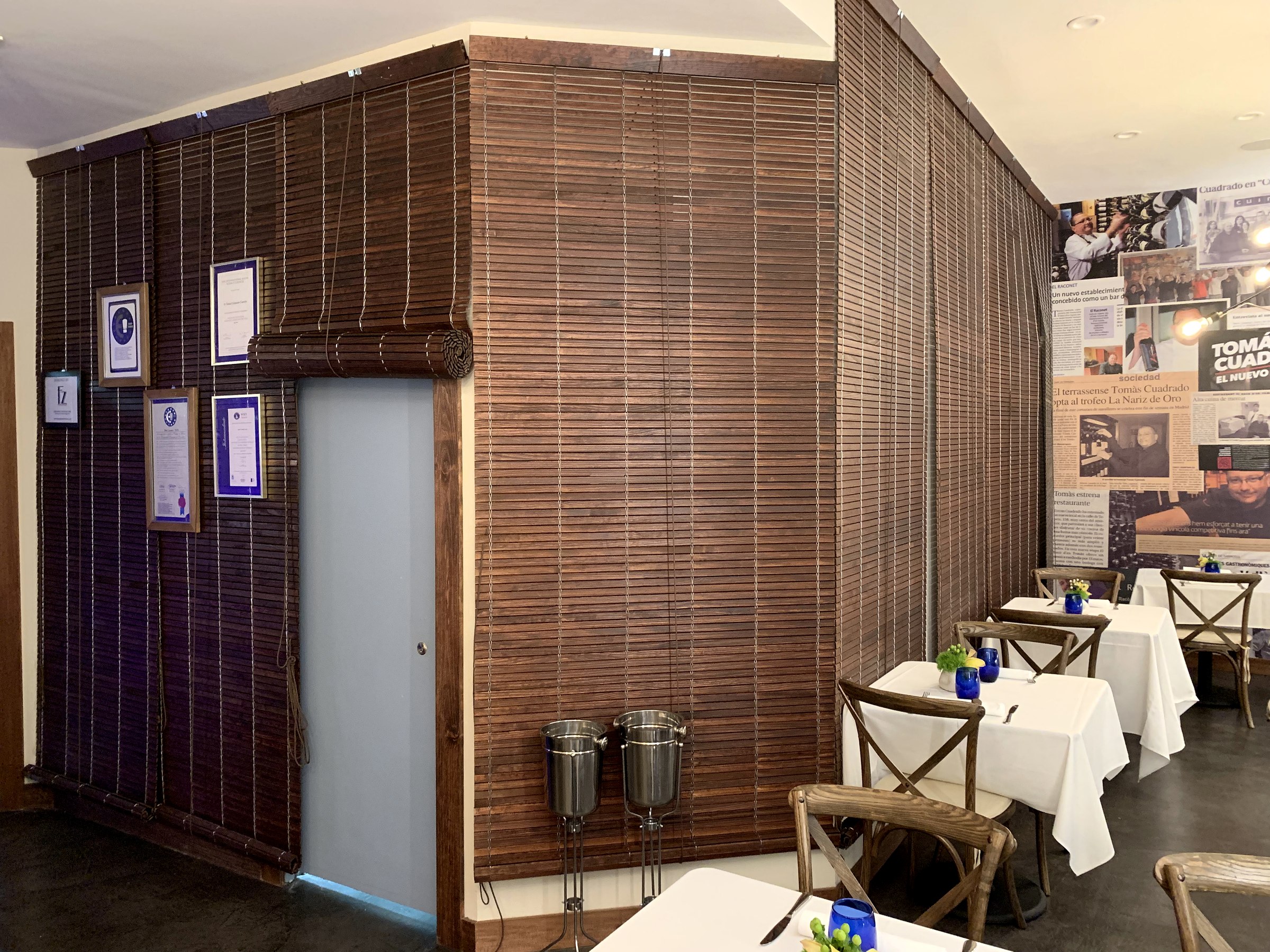
The interior is composed as a sequence of distinct yet connected moments: intimate tables, a generous communal counter, an open view toward the kitchen and a shaded terrace. Dark timber establishes depth and permanence; patterned surfaces recall Iberian geometry; cobalt glass and white linen introduce a precise note of color and ceremony. Together, these elements create a restaurant that feels personal, cultivated and enduring.
- Location
- Miami
Florida - Typology
- Restaurant
Hospitality - Scope
- Interior architecture
Design - Status
- Built
project
Hospitality & ritual
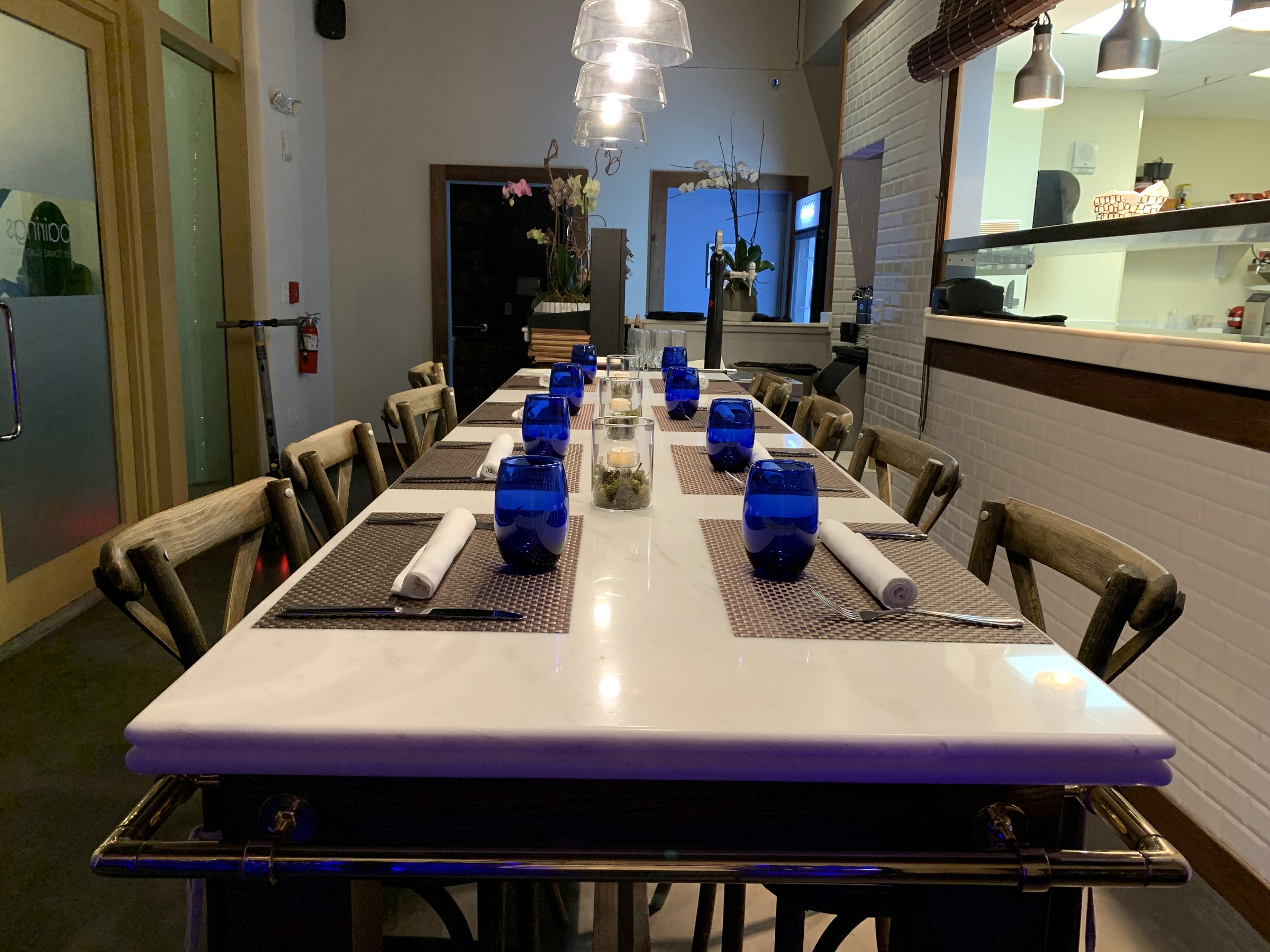
A table designed as the social heart.
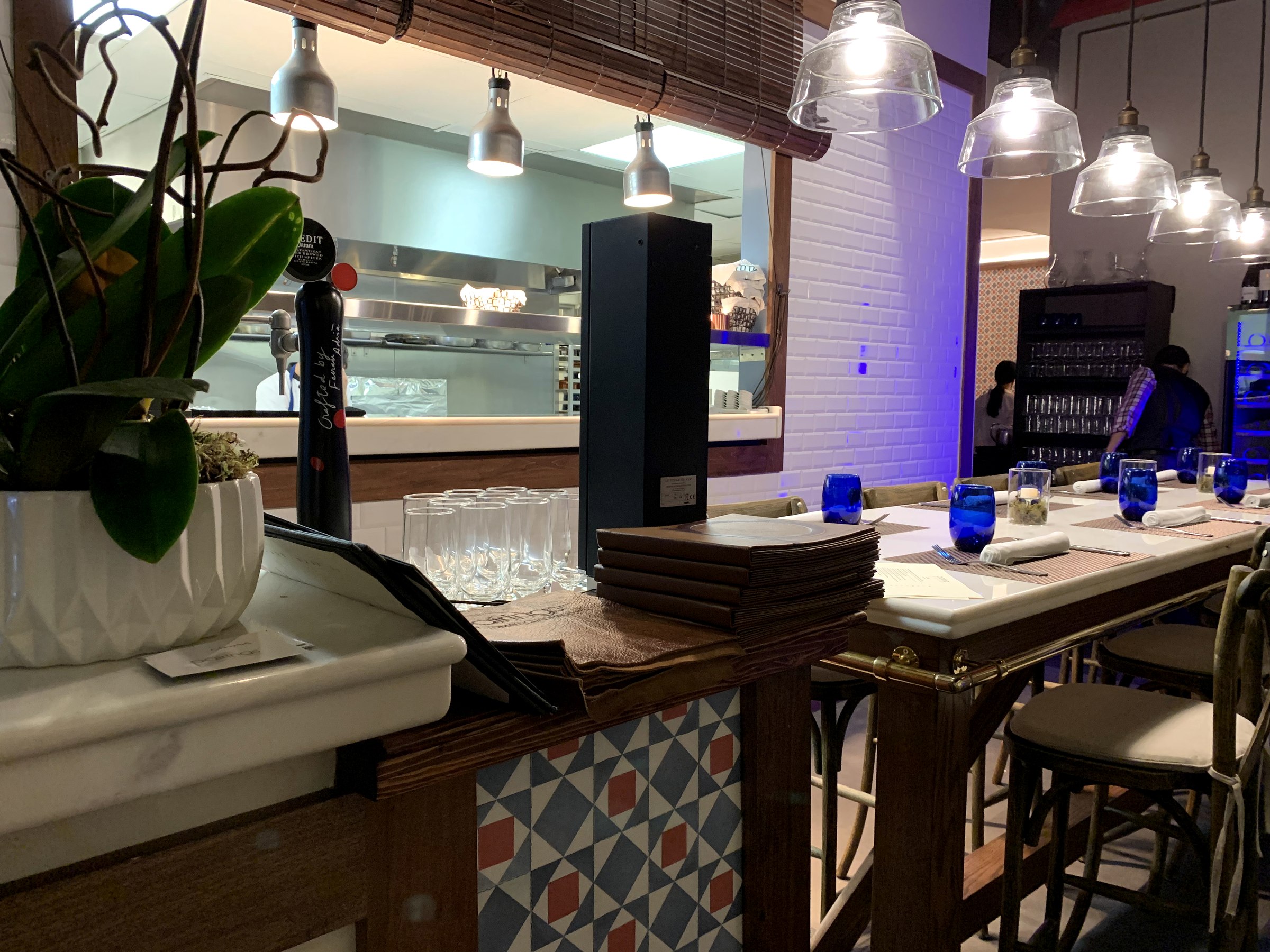
The long central table turns dining into a shared experience and gives the compact interior a clear spatial anchor.
Its pale surface reflects the warm pendant light while dark timber, woven seating and cobalt glass add texture at hand level. The open kitchen remains visible alongside it, connecting preparation, service and conversation as part of one continuous hospitality sequence.
The Essence Method in practice
Five principles for meaningful hospitality.
Pairings shows how a restaurant interior can create identity through atmosphere and memory while remaining practical, welcoming and connected to its Miami context.
- 01
Atmosphere
Warm pools of light, intimate proportions and layered surfaces create a calm setting for conversation and dining.
- 02
Climate
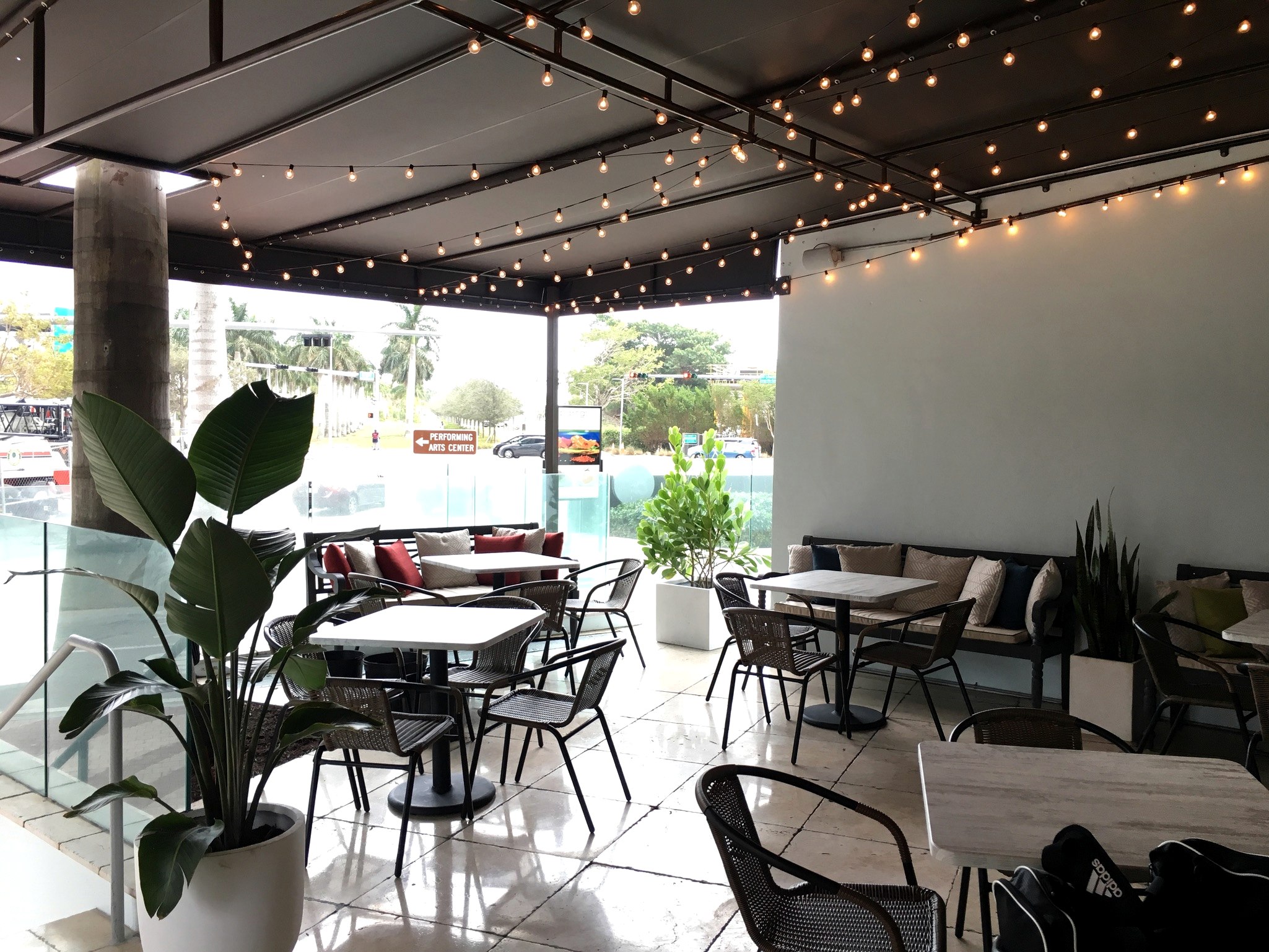
The shaded terrace extends hospitality outdoors and provides a lighter counterpoint to the more intimate interior rooms.
- 03
Materiality
Dark timber, geometric pattern, stone-toned surfaces, white tile and glass form a tactile, enduring palette.
- 04
Wellness
Varied seating, legible circulation and a balance of intimate and open spaces allow guests to choose how they gather.
- 05
Legacy
Culinary memory and European cultural references give the restaurant a story that reaches beyond changing trends.
Kitchen & craft
The making of food remains visible.
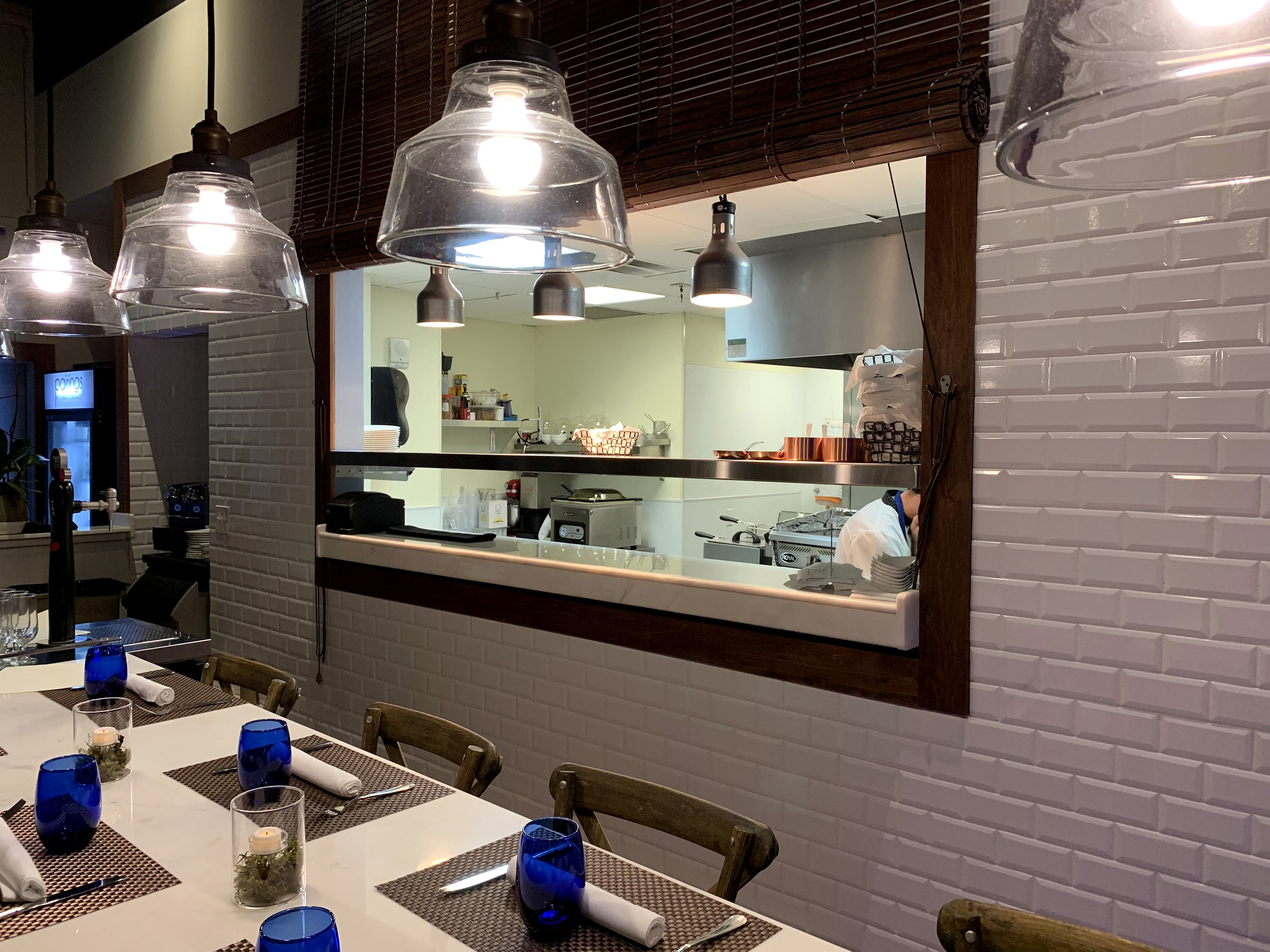
A generous framed opening gives the kitchen a direct architectural presence in the dining room.
White glazed tile and stainless-steel work surfaces express precision and cleanliness, while the timber frame and suspended lights connect the working kitchen back to the warmer language of the restaurant. Guests experience preparation as part of the identity of the place.
Culture made spatial
A restaurant with memory, warmth and a lasting identity.
Pairings demonstrates that hospitality design can communicate origin without becoming theatrical. The project draws on Spanish material culture and European dining traditions, then edits them into a clear contemporary interior for Miami.
For restaurant owners, chefs and hospitality groups, the project illustrates how architecture can unite brand, operations and guest experience—transforming a commercial interior into a place people recognize, remember and return to.
Project questions
Understanding Pairings Restaurant.
What defines the interior design of Pairings Restaurant in Miami?+
Pairings is shaped by a warm, intimate sequence of dining spaces where dark timber, patterned ceramic surfaces, white tile, stone-toned tables and carefully controlled lighting translate a Spanish cultural identity into a contemporary Miami restaurant.
How does Pairings express Spanish tradition without feeling themed?+
The design works with proportion, material, color and memory rather than literal decoration. Familiar references—timber screens, geometric patterns, cobalt glass and a wall of culinary history—are composed with restraint to create an atmosphere that feels rooted yet current.
Why are materiality and lighting important in restaurant design?+
Materials establish character at close range, while lighting shapes comfort, intimacy and the presentation of food. At Pairings, tactile surfaces and warm points of light help connect the dining room, communal table and open kitchen as one hospitality experience.
Your hospitality project